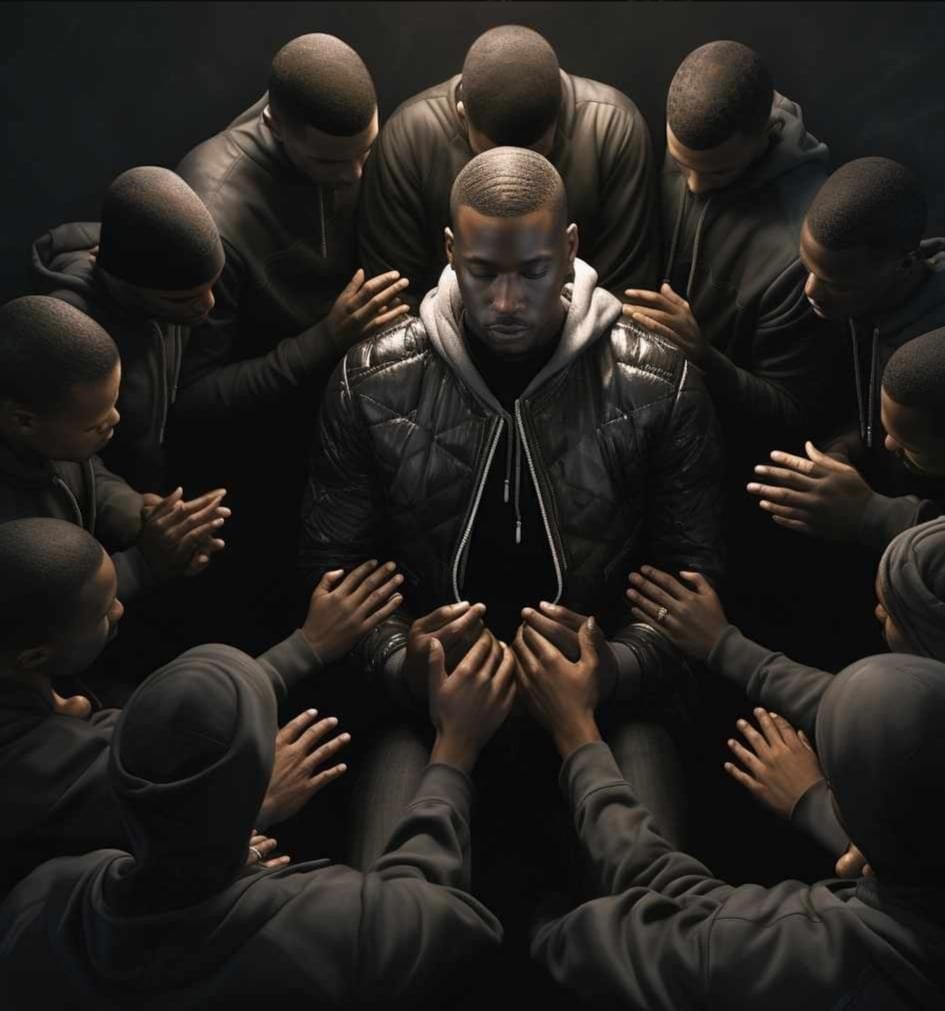

Names reveal what we value. The name 'Moving Train' is not decorative — it is diagnostic. Every word in it carries deliberate weight, and together they define not just an organisation but a way of moving through the world.
Why a Train?
The founders could have chosen any symbol. They chose a train — and the choice was precise. A train operates according to fixed principles: it runs on rails, it carries passengers together, it does not deviate for individual convenience, and above all, it keeps moving. It does not have the luxury of stopping every time the terrain becomes difficult.
For men living abroad — navigating foreign systems, building lives far from home, managing the demands of diaspora existence — the train was the right image. It captured something they recognised in themselves: the refusal to be derailed by circumstance.
The Word 'Moving' Does the Most Work
Notice that the name does not say 'the Train'. It says 'the Moving Train'. The modifier is everything. A stationary train is a platform — a place to stand. A moving train is a vehicle — a means of getting somewhere.
The founders did not want to build a platform for gathering. They wanted to build a vehicle for forward motion. The distinction matters enormously in how the club operates. Every decision, every policy, every welfare contribution is oriented not just toward the present need but toward collective progress.
The Moving Train Never Stops Moving Forward.
No Passenger Left Behind
A train carries all of its passengers. It does not drop some at an inconvenient junction and continue with the rest. This is perhaps the most quietly radical aspect of the Moving Train philosophy: the commitment to collective progress means no brother is disposable, no circumstance is too inconvenient, no member faces a crisis without the full weight of the brotherhood behind them.
This is not sentimentality. It is structural. The constitution, the welfare system, the governance framework — all of it is designed to ensure that belonging to the Moving Train means something concrete and reliable, not merely symbolic.
A Name That Sets the Standard
One of the functions of a name is to create accountability. When you name yourself 'The Moving Train', you are making a public commitment to movement. Stagnation becomes a contradiction of identity. Inaction becomes impossible to justify. The name is a mirror that the organisation must live up to every day.
Five years on, the Moving Train is still moving. New members have joined the passenger list. New chapters are opening in new cities. And in 2026, the train will make one of its most significant stops yet — the first international convention, bringing all passengers together in one place for the first time. The destination keeps getting further and more interesting. That, ultimately, is the point.